
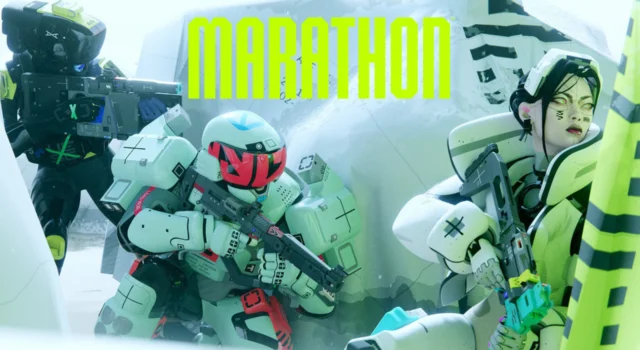
Bungie has revealed in their latest blog that cheaters banned by the Marathon anti-cheat system are banned forever. This ties in with the rest of the blog, which details the systems that Bungie has created to form a fair and engaging gameplay environment. We’ll go into detail on these systems momentarily; they are quite interesting.
Aside from the Marathon anti-cheat system, why has Bungie suddenly decided to detail its efforts to keep Marathon fair? Well, it’s because the Marathon Server Slam is just two days away from beginning on February 26, 2026. So, let’s delve into how the Marathon anti-cheat system works and see how it helps to prevent cheaters from cheating.
The Components That Make Up The Marathon Anti-Cheat System
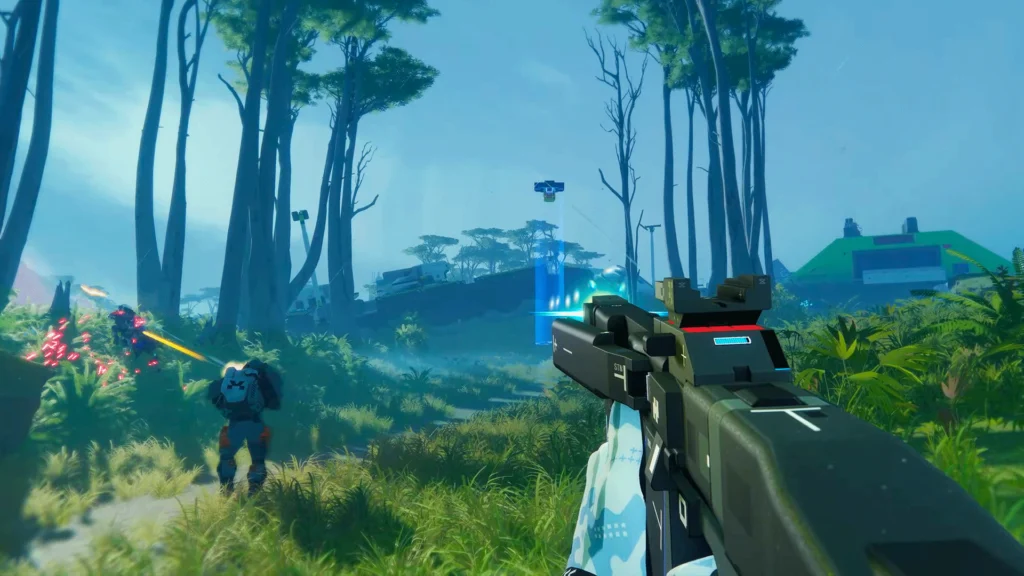
The Marathon anti-cheat system isn’t just a standalone anti-cheat system; several components make it what it is. Let’s simplify this explanation by categorizing the Marathon anti-cheat system into two components: server-side and client-side. And what better way to start than to open up with the server-side components?
The Server Side Of The Marathon Anti-Cheat System
The Marathon anti-cheat system begins with the very servers on which Marathon resides. Marathon’s dedicated servers are fully authoritative over movement, shooting, actions, and inventory. Being that it’s fully authoritative, any invalid client actions will get detected, such as teleporting, unlimited ammo, or damage manipulation.
It doesn’t just stop at detection; any invalid action will also get completely rejected, without affecting other users, of course. So, the moment anyone tries anything funny, the server will detect it and take action before they can do any further damage. And the servers aren’t the only server-side anti-cheat component, as we’ll discuss the Fog of War next.
The Fog Of War
The Fog of War system is a program that runs on the game server to unrender unseen regions of the map. It does this by basing itself on what the player should be able to sense in their surroundings. This system helps prevent cheaters from knowing exactly where everything is at all times by using various cheat applications.
These cheat applications include wallhacks and ESP-type cheats that you see in other games like Escape from Tarkov or Counter-Strike 2. Aside from that, this concludes our look into the server-side components of the Marathon anti-cheat system. Now, let’s take a peek at the other side of the system, the client-side.
The Client-Side Of The Marathon Anti-Cheat System
The client-side of this system includes most of what you’ve already seen in other games, mainly user and kernel-mode components. Basically, Bungie has combined third-party security software, such as BattleEye, with proprietary security layers. But client-side security doesn’t stop there with prevention.
To help Bungie with combating cheaters, the Marathon anti-cheat system collects data on everything every player is doing. This data is then sent to the backend analysis system to check for any strange or suspect gameplay. As more data is collected, the more accurate and swift the anti-cheat system will become.
Is That All The Marathon Anti-Cheat System Has To Offer?
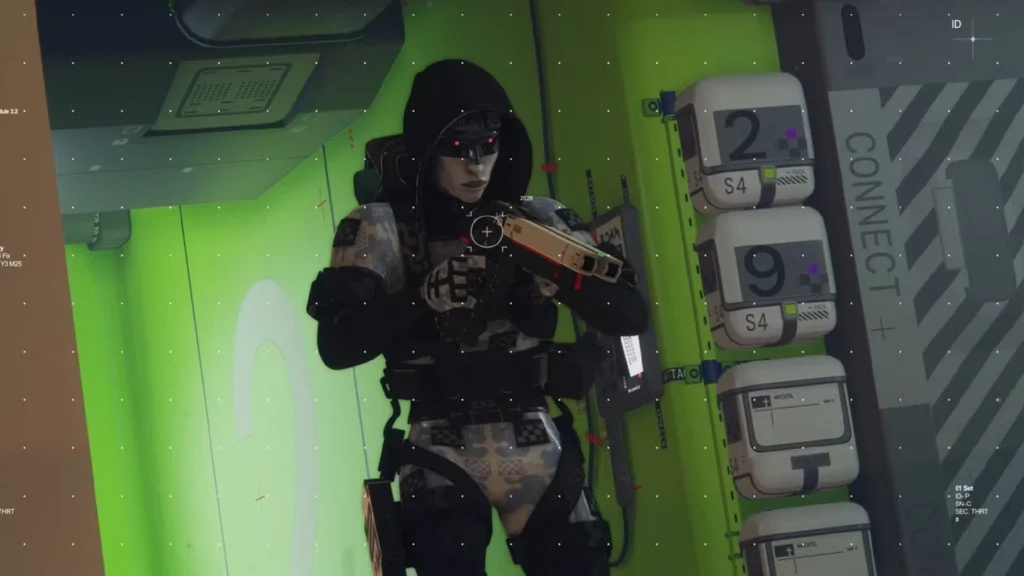
Obviously, Bungie can’t reveal everything about the Marathon anti-cheat system, as it would allow cheaters to bypass it. But what they have revealed is promising for the game, which doesn’t include the details they haven’t revealed. And we’ll find out if this system is up to snuff with the upcoming Marathon Server Slam.
So when you’re knee deep in water in Tau Ceti IV, see if you can spot any suspicious players in your lobbies. And if you do, report them so that the developers can further improve the Marathon anti-cheat system. We wouldn’t want the next big shooter to get swarmed with cheaters now, would we?
For more information on games and Marathon, stay tuned with us.
